


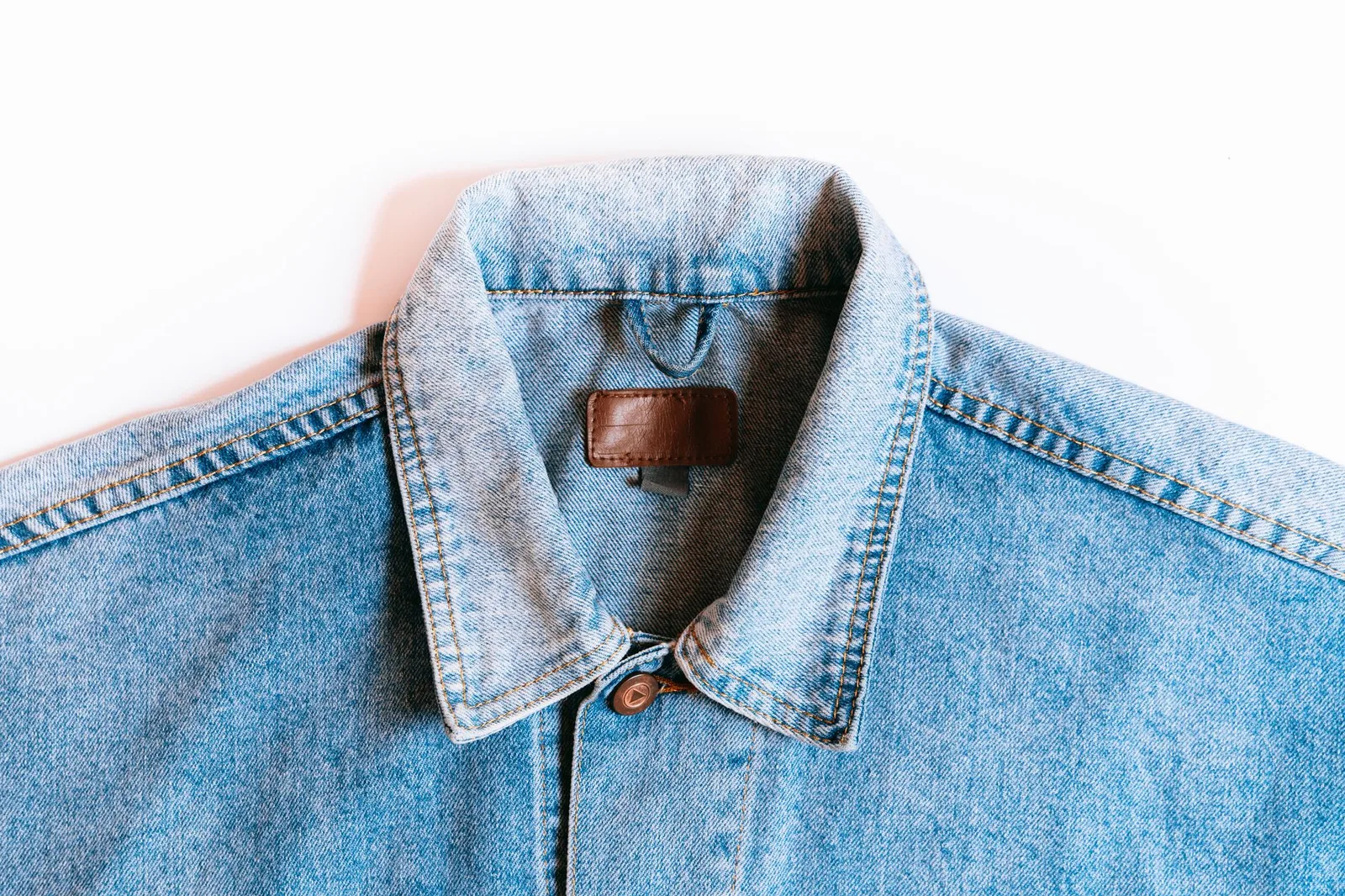
Look at what streetwear is actually made of and most of it began as clothing for work. Denim, canvas jackets, heavy cotton sweatshirts, work boots, coveralls. None of it was designed to be fashionable. It was designed to survive.
The path from one to the other is worth understanding, partly because it is genuinely interesting and partly because a lot of what gets repeated about it is invented.
Durability is a design language
Workwear looks the way it does for reasons that have nothing to do with appearance.
Reinforced stress points, because that is where garments tear. Heavy fabric, because thin fabric wears through. Roomy cuts, because you have to move in them. Multiple pockets, because tools have to go somewhere. Metal hardware, because plastic breaks.
Those constraints produced a consistent visual character: substantial, functional, unfussy. When these garments later became style objects, that character is what people were responding to — the appearance of purpose.
This is why reproduction workwear that removes the function often looks wrong. A chore coat with decorative non-functional pockets is missing the thing that made the original look right in the first place.

The general mechanism
The specific stories vary, but the pattern repeats often enough to describe.
Stage one: the garment is worn for its job. Nobody involved considers it clothing with meaning. It is equipment.
Stage two: a group outside that trade adopts it. Usually for practical reasons — it is cheap, durable, and available as surplus or secondhand. Students, musicians, artists, and various subcultures have all done this repeatedly with different garments.
Stage three: the garment acquires association. Because a particular group wears it, it now signals something. The signal is about the group, not about the work.
Stage four: it detaches entirely. The garment is produced for the look rather than the function, often in fabrics too light to do the original job. At this point it is fashion, and the workwear reference is a style, not a use.
Denim is the clearest example of the full arc. It began as durable workwear, moved through various subcultural adoptions across the twentieth century, and is now produced across the entire price and quality spectrum — including versions deliberately distressed to imitate wear that the garment never experienced.
Sportswear took a parallel route
The other major tributary is athletic clothing, and it followed a similar path with different specifics.
Sweatshirts and hooded sweatshirts were made as athletic garments — warm, absorbent, easy to move in. Sneakers were made for sport. Track jackets were made for warming up.
They moved into general wear for reasons that were partly practical and partly about what they signaled, and by the later twentieth century hooded sweatshirts in particular had picked up strong cultural associations well beyond athletics. The hoodie's route from gym equipment to loaded cultural object is one of the more thoroughly documented shifts in twentieth-century clothing, and also one of the more contested, since the associations it acquired have been racialized and politicized in ways that have very little to do with the garment.
That is a useful reminder that clothing does not carry meaning inherently. It carries whatever gets attached to it.
A caution about origin stories
Streetwear history is unusually full of confident claims that do not survive checking.
Specific "first ever" attributions, precise invention dates, and tidy narratives about a single brand or person originating a category are frequently marketing that has been repeated until it reads as fact. Some are approximately true, some are contested among people who study this, and some appear to have been made up outright.
Two habits help:
- Be suspicious of precision. A claim that a garment was invented in a specific year by a specific person, when the garment is a fairly obvious solution to a common problem, is usually simplifying a messier reality.
- Notice who benefits. An origin story that centers a brand still selling the product is a marketing asset, whatever else it is.
Broad developments are well documented. Sharp attributions usually are not. The same caution applies to trend claims generally, since distinguishing a real shift from a marketed one requires the same skepticism about who is telling the story. Writing about this beat honestly means being comfortable saying that the record is unclear rather than picking the most quotable version.
What survived and what did not
Not every workwear feature made the transition, and which ones did is revealing.
Survived: heavy fabrics, reinforced seams, boxy cuts, visible hardware, patch pockets, and the general sense of substance. These read as quality, so they persisted even where they were no longer necessary.
Did not survive: most genuinely functional details. Tool loops, rule pockets, articulated knees, and reinforced kneepads mostly vanished, because they look like equipment rather than clothing to a wearer who is not using them.
Survived in imitation: distressing, fading, and wear patterns. These are now applied deliberately at manufacture. A garment that arrives pre-faded is simulating a history it does not have — which is either a harmless aesthetic choice or a slightly strange one depending on your view.
The interesting category is the middle one. It shows that what was adopted was the appearance of durability more than durability itself, which is worth keeping in mind when a garment is sold on heritage.
The secondhand engine
One mechanism deserves its own mention, because it explains why adoption so often started with people who had no money.
Workwear was cheap secondhand and widely available. Military surplus, army-navy stores, thrift shops and hand-me-downs put durable, well-made garments into circulation at prices students and young people could actually afford. The clothing was adopted because it was there and it lasted, not because anyone was making a statement with it.
The statement came afterward. Once a look is associated with a group, it gets read as intentional in retrospect, and the economic reason it started disappears from the retelling.
This matters for how you read any claim about a garment's cultural significance. Frequently the first cause is availability and price, and the meaning attaches later. A history that skips straight to the meaning has usually skipped the part that explains it.
It also explains why so much of this clothing is durable in the first place: the pieces that survived long enough to be adopted secondhand were, by definition, the ones built well enough to survive. There is a selection effect in what we now think of as heritage clothing.
Reading a modern garment against this
If you want to know whether a workwear-influenced piece is doing anything beyond quoting a look, the questions are practical:
- Is the fabric substantial enough to justify the styling? A chore coat in thin cotton is a shirt shaped like a jacket.
- Are the reinforcements real? Bar tacks at pocket corners and stress points do a job. Decorative topstitching does not.
- Do the pockets hold anything? A patch pocket sized for nothing is a design quotation.
- Is the hardware functional? Metal buttons and rivets that are load-bearing behave differently from ones that are glued on.
None of that makes a garment good or bad. Plenty of well-made clothing quotes workwear without pretending to be it. But it separates pieces built on the original logic from pieces wearing its appearance, and it is the same physical inspection that tells you about construction generally.
Why this matters for what you buy
The practical payoff is that understanding where a design came from tells you what it is optimized for.
Workwear-derived pieces are generally cut for movement and made to be worn hard, which means they tolerate a relaxed fit well and often improve with age. Sportswear-derived pieces prioritize freedom of movement and moisture handling. Both age visibly, which is a feature if you like that and a problem if you want a garment to stay looking new.
Our own tees sit in the workwear tradition more than the sportswear one — heavier cotton, boxier cut, built to be worn repeatedly rather than to perform. That is a choice about what the garment is for, and it comes with the tradeoffs that choice implies, including taking longer to dry and being warmer in summer.