
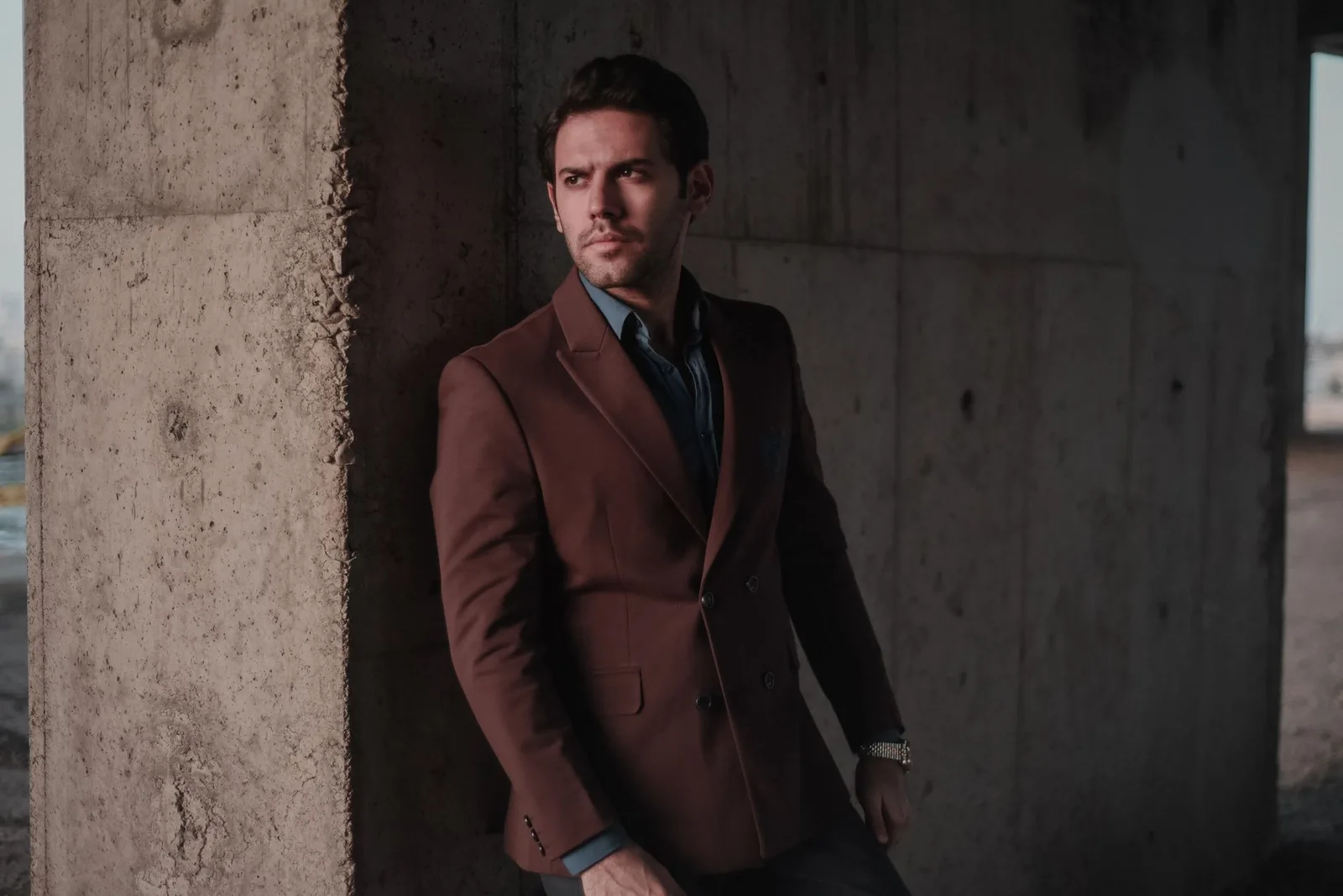
The old dress codes were rigid and, whatever else you say about them, legible. "Black tie" meant something specific. What replaced them mostly does not. "Smart casual," "dressy casual," "cocktail," and "come as you are" leave you guessing, and the guessing is the problem.
Here is a way to reason about it that does not depend on decoding the phrase.
Read the venue, not the wording
The wording is often written by someone who does not want to seem demanding. The venue tells you what the event actually is.
- A warehouse, a brewery, a backyard, a gallery. Informal, and the crowd will be dressed unevenly. Overdressing is more conspicuous here than underdressing.
- A restaurant, a members' club, a hotel function room. Middle. Most people will be somewhere near smart casual.
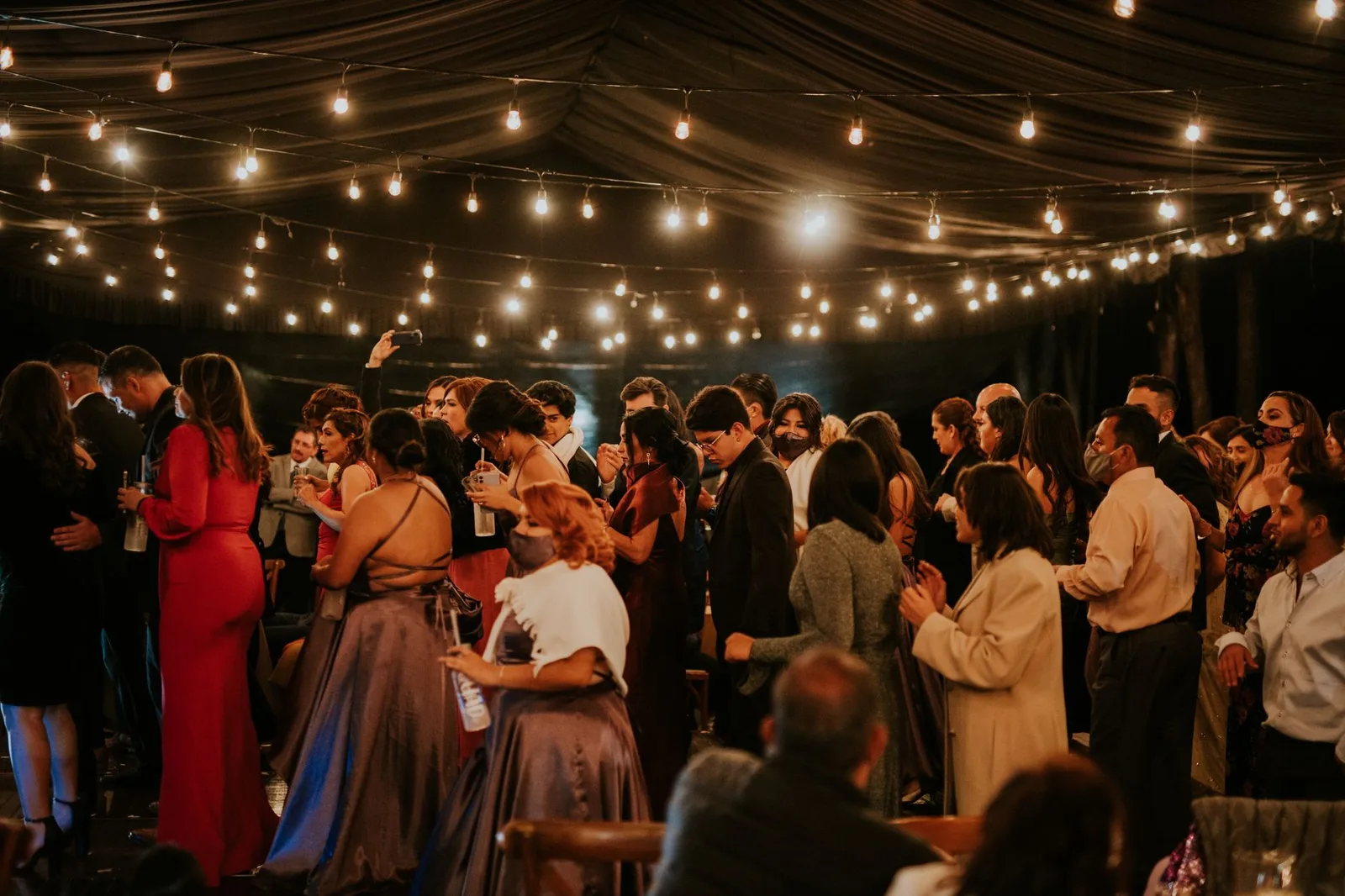
- A church, a hotel ballroom, anywhere with a stated start time and a printed program. More formal, regardless of what the invitation says.
Second signal: the time. Evening events skew more formal than daytime ones, consistently and across venue types. An event starting at seven is a different proposition from the same event starting at two.
Third signal: who else is going. If you know one other guest, ask them. This is not a failure of nerve; it is the most reliable information available.
Build one adaptable outfit
The practical solution to ambiguity is not guessing correctly. It is wearing something that works across two levels of formality.
The mechanism is a removable layer. An outfit with a jacket reads one way with it on and another with it off, which means you can calibrate after you arrive and see the room.
The structure:
- A base that is presentable on its own — a good knit, a clean shirt, or a well-fitting plain tee in a substantial fabric.
- A trouser that is not jeans, or is dark jeans with no distressing.
- A jacket, overshirt, or unstructured blazer over the top.
- A shoe that is closer to the formal end than the rest of the outfit.
Arrive with the jacket on. If the room is more casual than expected, it comes off and you are still dressed. If it is more formal, you keep it on and you are fine.
The shoe carries more weight than anything else
If you change one thing to shift an outfit's formality, change the shoes.
A leather shoe pulls an outfit up sharply. A chunky sneaker pulls it down just as sharply. The same trousers and jacket read completely differently depending on what is at the bottom, and people register it immediately even if they could not tell you why.
For ambiguous events, a clean minimal leather sneaker or a simple boot sits in the middle and works in both directions — which is precisely the job of the second pair in a rotation.
Three situations, worked through
A warehouse or backyard wedding. The couple chose an informal venue on purpose. Dark trousers, a good shirt or fine knit, an unstructured jacket, leather sneakers or boots. No tie. Bring something warmer than you think you need, because these venues are frequently large, unheated, and outdoors in part.
A gallery opening. Skews toward the interesting rather than the formal. This is one of the few settings where an unusual piece is an asset. All black works and is essentially the uniform. Comfortable shoes matter, because you will be standing for hours.
A dinner with unclear expectations. The most common ambiguous case. Dark trousers, a knit or shirt, leather shoes. Add a jacket if it is evening. This lands correctly in a wide range of restaurants and is never conspicuous in either direction.
The plain tee question
A T-shirt can absolutely work in a semi-formal outfit, with conditions.
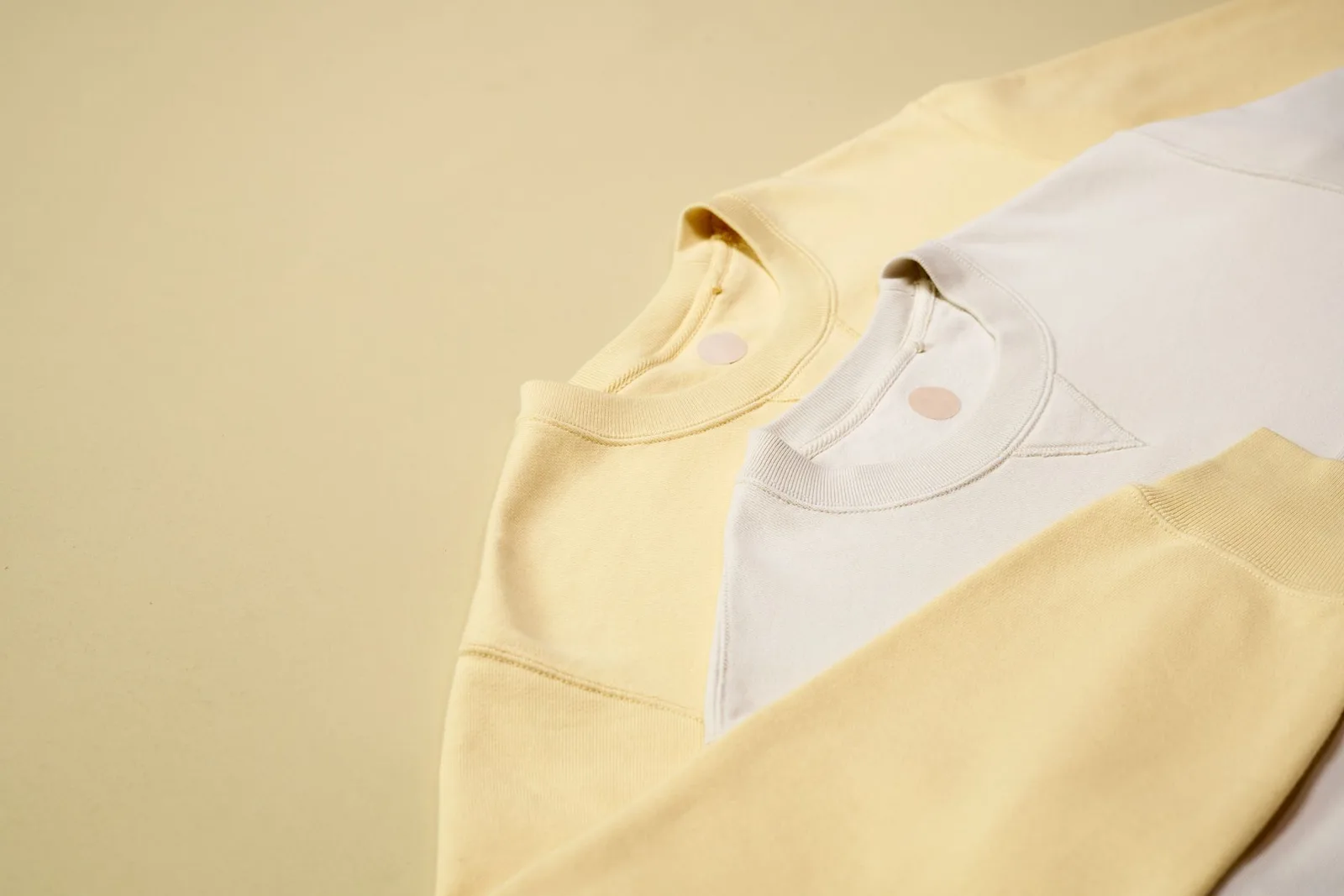
- It has to be a substantial fabric. A thin tee under a jacket reads as underwear. A heavier one reads as a deliberate choice, which is one of the practical arguments for weight.
- It has to fit properly, especially at the shoulder and sleeve.
- Plain or nearly. A large graphic changes the register of the whole outfit.
- No visible wear. A tee with a soft collar or a faded patch is a garment for home.
Under a well-cut jacket, with good trousers and leather shoes, a plain tee is unremarkable in most informal-to-middling settings now. A clean midweight tee is doing the work of a shirt in that outfit, so it needs to be in the condition a shirt would be.
Overdressing versus underdressing
Both are recoverable; they fail differently.
Overdressing by one level is generally safe and often reads as respect for the occasion. Overdressing by two levels is conspicuous and makes other guests uncomfortable, which is the actual cost.
Underdressing by one level is usually invisible at an informal event and noticeable at a formal one. Underdressing at someone's wedding is the version people remember.
The asymmetry means that when genuinely torn, aim one notch above your guess. The removable layer makes that a cheap bet, since you can always come down.
Comfort is not a secondary consideration
An outfit you are uncomfortable in shows, and it shows in a way that is hard to disguise. People fidget, adjust collars, and shift weight, and all of that reads as unease regardless of how well the clothes fit.
Things worth checking before an event rather than during one:
- Can you sit down in it? Trousers that fit standing can be tight seated, which is most of what you will be doing at a dinner.
- Can you raise your arms? Jackets are the usual offender here.
- Will you be standing for three hours? Openings and receptions are standing events, and shoes that are fine for a commute are not always fine for that.
- Is the venue temperature-controlled? Warehouses, marquees, and converted industrial spaces frequently are not.
The adaptable-layer approach handles temperature. Nothing handles shoes that hurt, which is why the shoe should be broken in before the event rather than bought for it.
What actually gets noticed
Very little, in practice, and not the things people worry about.
What registers: whether clothes fit, whether they are clean and pressed, and whether the shoes are in good condition. What does not register: brands, whether a jacket precisely matches the trousers, or whether an outfit is this season.
Someone in a well-fitting inexpensive outfit reads better than someone in an expensive outfit cut for a different body. That is consistent across every setting in this article, and it is why fit is the highest-return thing to get right before spending anything.
Grooming counts as part of the outfit
Worth saying because it is frequently the actual gap between two people wearing similar clothes.
Clean, in-repair shoes. Hair that has been dealt with. Nails. Nothing that needs adjusting every few minutes. None of this is expensive and all of it registers before the clothing does.
The related point is condition. A jacket with a missing button, a hem coming down, or a stain you have stopped noticing undermines an otherwise correct outfit more than a wrong choice of garment would. These are ten-minute fixes that get deferred indefinitely because the item is still wearable.
Check the whole outfit in daylight rather than in a dim bedroom. Marks and wear that are invisible under a bedside lamp are entirely visible at a venue with decent lighting.
A short checklist before leaving
- Does this fit at the shoulders?
- Are the shoes clean and in good repair?
- Is anything visibly wrinkled?
- Can I remove one layer and still be dressed?
- Will I be warm enough, given that the venue may be a converted industrial building in February?
That last one accounts for more ruined evenings than any styling error.