
Streetwear looks expensive because the version of it that gets photographed is expensive. The actual garments underneath — tees, hoodies, workwear jackets, sneakers — are among the cheapest categories of clothing to buy well.
What costs money is buying in the wrong order, replacing things constantly, and paying for logos.
Buy in sequence, not in bulk
The most common budget mistake is buying five mediocre things at once because the total felt affordable. You end up with a wardrobe of items that half work, and no money left to fix it.
A better approach is to buy one thing at a time, wear it for a few weeks, and let what is missing become obvious. It is slower, and it means every purchase is answering a question you actually have rather than one you imagined.
A workable order:
- Bottoms. Whatever you own, you wear them every day, and they are the most visible when they are worn out. One good pair beats three tired ones.
- A neutral tee. The base of most outfits.
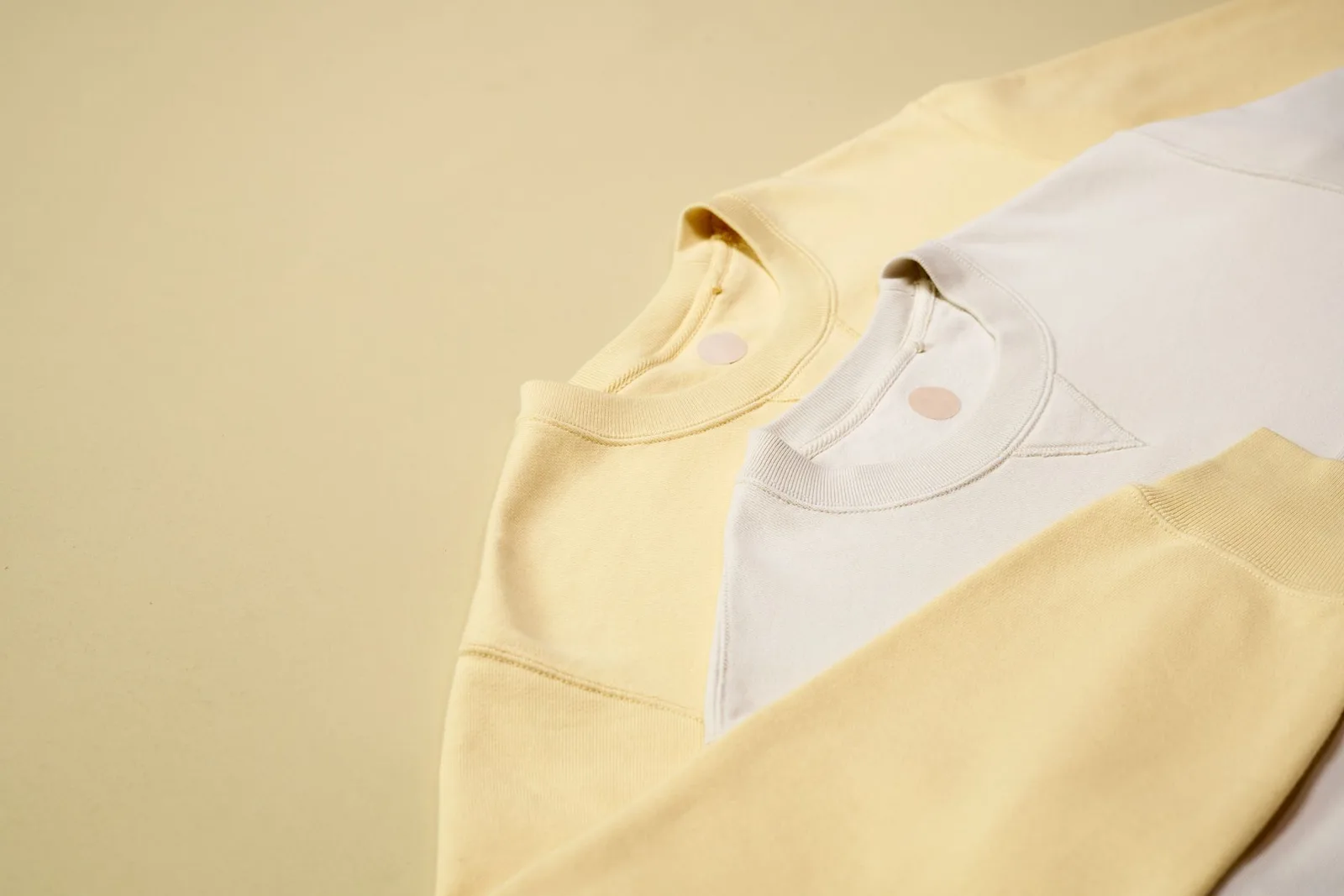
- A hoodie or sweatshirt. The layer that does the most work across the most months.
- A jacket that fits over the hoodie. Bought after the hoodie for a reason — it has to be sized over it.
- Shoes. Last, because by now you know what the rest of the wardrobe looks like.
That is five purchases spread over however long your budget takes to cover them, and at the end you own a wardrobe rather than a pile.
Where spending more changes the outcome
Not evenly distributed. Some categories reward money and some do not.
Rewards spending: outerwear, shoes, and bottoms. All three take heavy mechanical stress, all three are worn constantly, and the difference between well-made and badly made shows up quickly and visibly.
Rewards spending moderately: hoodies and sweatshirts. A better fleece holds its loft and resists pilling. Beyond a certain point you are paying for branding.
Rewards spending least: plain tees, in the sense that the useful range tops out early. There is a real difference between a very cheap tee and a decent midweight one. There is much less difference between a decent one and one costing three times as much.
Rewards spending not at all: anything whose price is driven by a logo. You are buying the mark, which is a legitimate thing to want and is not a durability purchase.
Secondhand is the actual answer
If the budget is genuinely tight, this is where the leverage is, and it is worth being specific about why.
Much of the streetwear canon is workwear and sportswear, which were built to survive hard use. A used canvas jacket or a used pair of heavy trousers has already proven it lasts. You are buying a garment that passed a durability test that a new cheap equivalent has not taken.
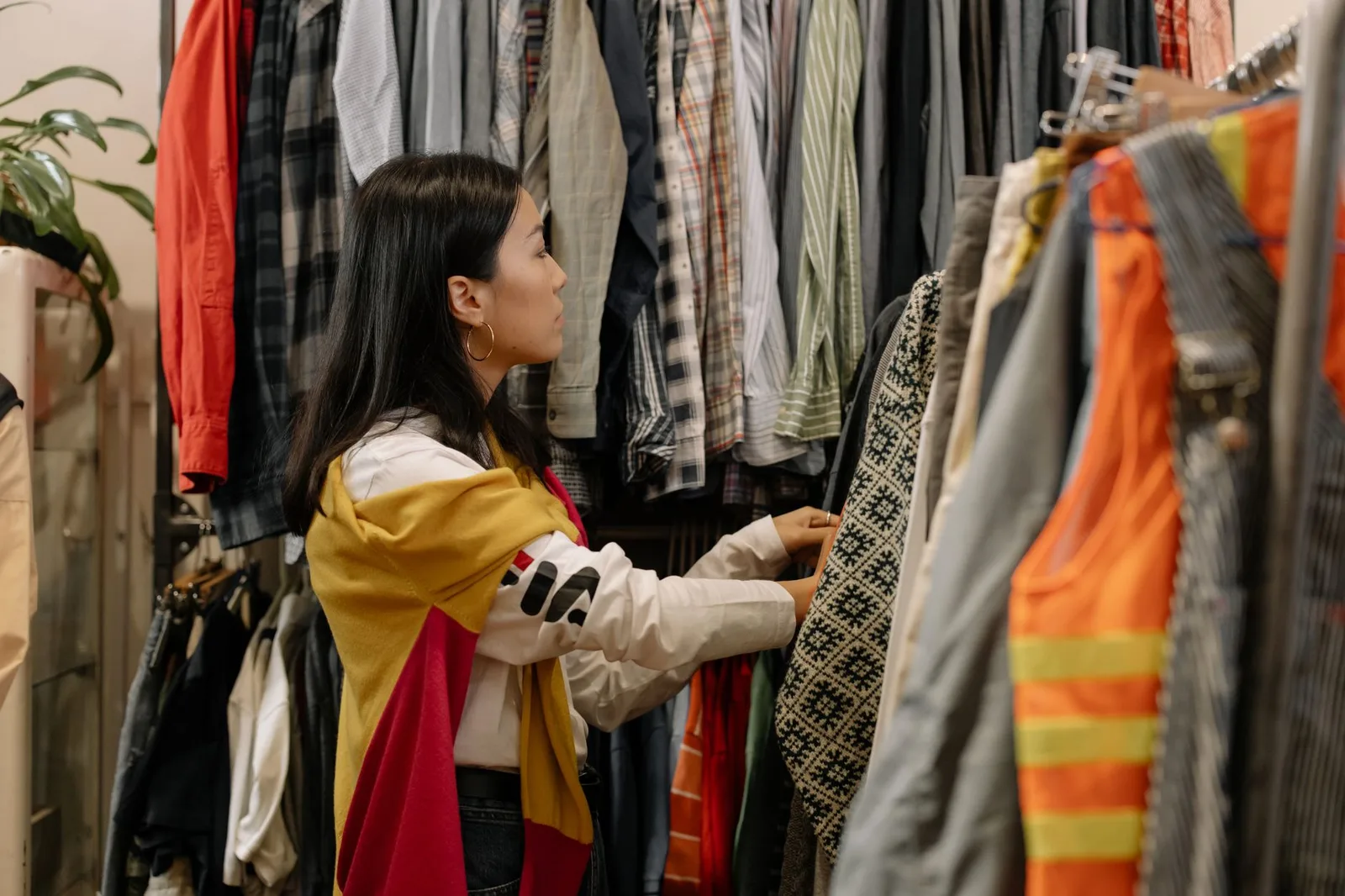
What buys well secondhand: outerwear, denim, workwear, knitwear, and anything heavy. Wool and canvas in particular hold up over decades.
What buys badly secondhand: tees and anything with elastane. Cotton jersey thins with wear, and elastane degrades with time and heat regardless of how gently it was treated. A stretched-out secondhand tee is not a bargain.
What to check: underarms and elbows for thinning, seams for repairs, zippers end to end, and the shoulder area for sun fading. Hold it up to light — thin patches are obvious that way and invisible on a hanger.
The catch is fit. Secondhand means taking what exists in the size that exists, so knowing your measurements matters more here than anywhere else. Carry your numbers, and use the size guide approach of measuring a garment you already own rather than trusting a label from a brand whose sizing you do not know.
The logo question
From a retailer's perspective, this is the most straightforward saving available.
A visible logo adds nothing to a garment's function and typically adds a lot to its price. Plain versions of the same garment, in the same fabric, from the same factories, cost less. That is most of what a budget wardrobe is: the same clothing without the mark.
The counterargument is honest enough — sometimes the logo is the point, because it signals something you want to signal. Fine. Just be clear that it is a separate purchase from the garment, and price it accordingly.
Fit is free
The single largest difference between an outfit that looks expensive and one that does not is fit, and fit costs nothing.
A cheap tee that fits correctly through the shoulders looks better than an expensive one that does not. Getting this right requires measuring rather than guessing, and the shoulder seam is where it is decided.
Basic alterations are also cheaper than most people assume. Hemming trousers, shortening sleeves, and taking in a side seam are inexpensive, and a $30 secondhand jacket altered for $20 fits better than a $200 one off the rack.
Cheap things that punch above their price
- Laces. New laces make old sneakers look maintained.
- A plain cap. Changes an outfit's read for very little.
- Socks that are not an afterthought. Visible between a trouser hem and a shoe.
- A canvas tote or a simple bag. Replaces the branded backpack in most situations.
- Getting things pressed. Free, and the difference between "I own this" and "I picked this off the floor."
What to stop buying
Where the money is usually leaking:
- Duplicates. A fourth black hoodie in a slightly different weight adds nothing.
- Aspirational sizes. A garment bought for a body you plan to have is a garment you do not wear.
- Sale items you would not pay full price for. The discount is not a reason.
- Trend pieces at trend prices. Buy those cheap, if at all, and wait a season or two to see whether it is a cycle or a fad.
- Replacements for things that failed from bad laundry habits. This is a larger category than most people realize.
That last one deserves emphasis on a budget. If garments are wearing out in months, the cheapest intervention available is changing how they are washed, which costs nothing and can add a year or more to a piece.
Timing purchases
A fixed budget benefits from buying at the right point in the year, and the pattern is predictable enough to plan around.
Seasonal stock arrives ahead of the season and gets marked down at the end of it. Buying outerwear in late winter and lightweight pieces in late summer means paying substantially less for the same garment, at the cost of waiting several months to wear it.
For a budget wardrobe this is close to free money, with two caveats. End-of-season stock is picked over, so sizes are patchy — which matters more if you are between sizes. And a discount on something you did not want is not a saving.
The other timing question is whether to wait for a sale on something you need now. Generally no. A garment you need is worn immediately, and the wear you get in the intervening months is worth more than the discount. Save the patience for things you want rather than things you are short of.
The realistic version
A functional streetwear wardrobe is roughly: two pairs of bottoms, three or four tees, a hoodie, a jacket, and two pairs of shoes. Buy a couple of those secondhand, buy the tees new because secondhand tees are a poor deal, and spend where the wear is.
That is not a large amount of clothing and it is not a large amount of money spread over a year. Our tees sit in the middle of the range deliberately — enough construction to last, without the markup that comes from putting a name on the front.