
"Oversized" and "a size up" get used interchangeably, and they are not the same thing. Understanding the difference is most of what you need to buy the right size without trying anything on.
A larger size is the same garment scaled up. Every dimension grows together — chest, length, shoulders, sleeves. An oversized cut is a different pattern, deliberately drawn with more room in specific places and normal proportions in others.
Buy a large when you wanted an oversized medium and you get a shirt that is too long, with sleeves past your elbows and a neckline that sits wrong. The volume is there, but it is in the wrong places.
The four measurements that decide everything
Ignore the letter on the label. Different brands map letters to measurements differently, and the same brand is not always consistent across product lines. Work from the numbers.
Chest width. Measured flat, armpit to armpit, then doubled for circumference. This is the single most useful number on a size chart.
Body length. Measured from the high point of the shoulder straight down to the hem. This determines whether the shirt tucks, sits at the waistband, or covers your hips.
Shoulder width. Seam to seam across the back. This is the measurement that separates a relaxed fit from a badly sized one, and the one most people never check.
Sleeve length. Measured from the shoulder seam to the sleeve opening.

How to use them
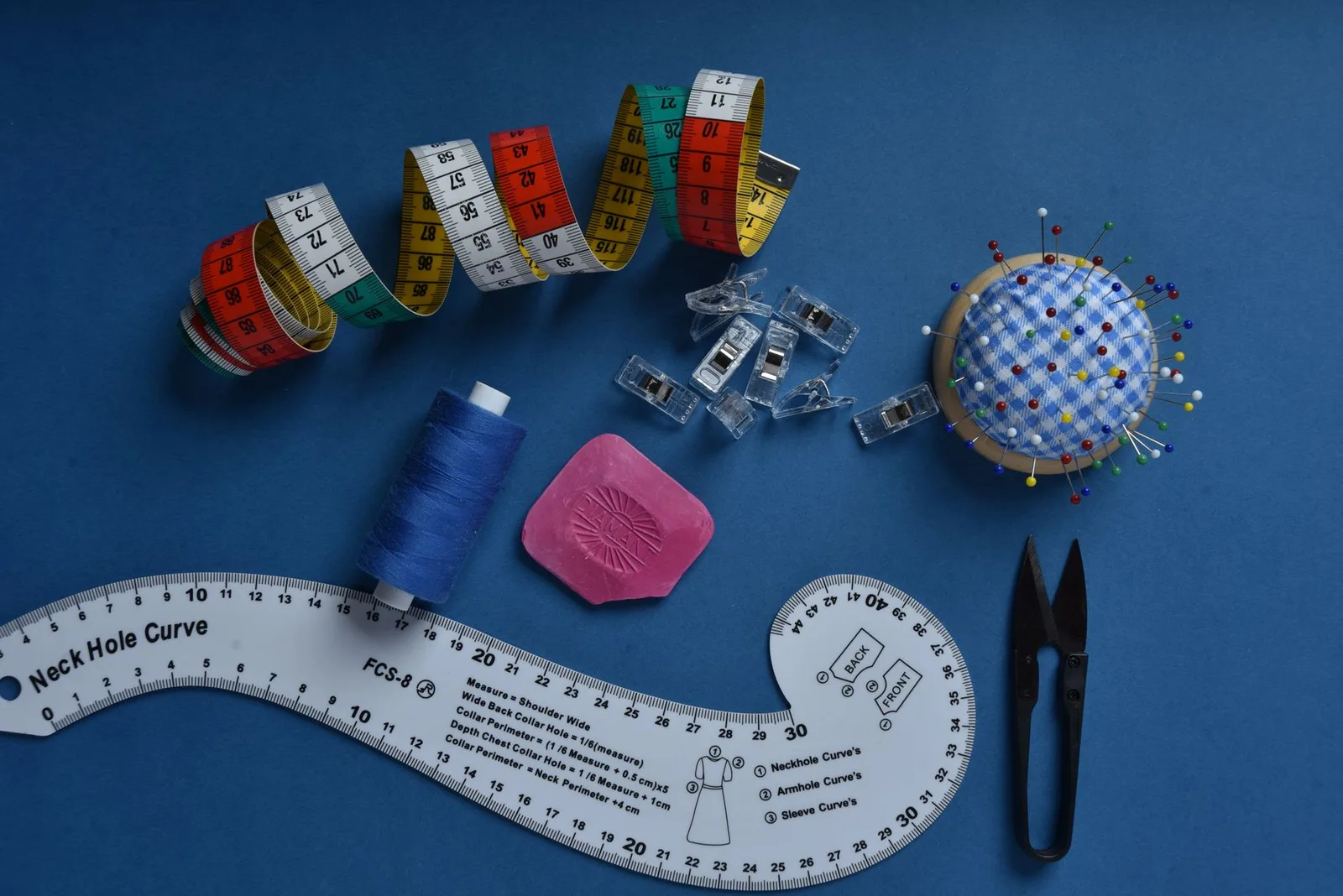
Take a garment you already own that fits the way you want, lay it flat, and measure those four dimensions. Now you have a target rather than a guess.
Compare that target to the size guide for whatever you are buying. If the chest matches and the length is two inches longer, you know exactly what you are getting before it arrives.
This takes about four minutes once and then works forever, across brands. It is by a wide margin the highest-return habit in buying clothes online.
What an oversized pattern actually changes
A properly drawn oversized cut typically does three things at once:
- Widens the body relative to the length, so the shirt reads square rather than long.
- Drops the shoulder seam deliberately, so it sits on the upper arm instead of at the shoulder point.
- Widens the sleeve without necessarily lengthening it much, which keeps the opening from turning into a bell.
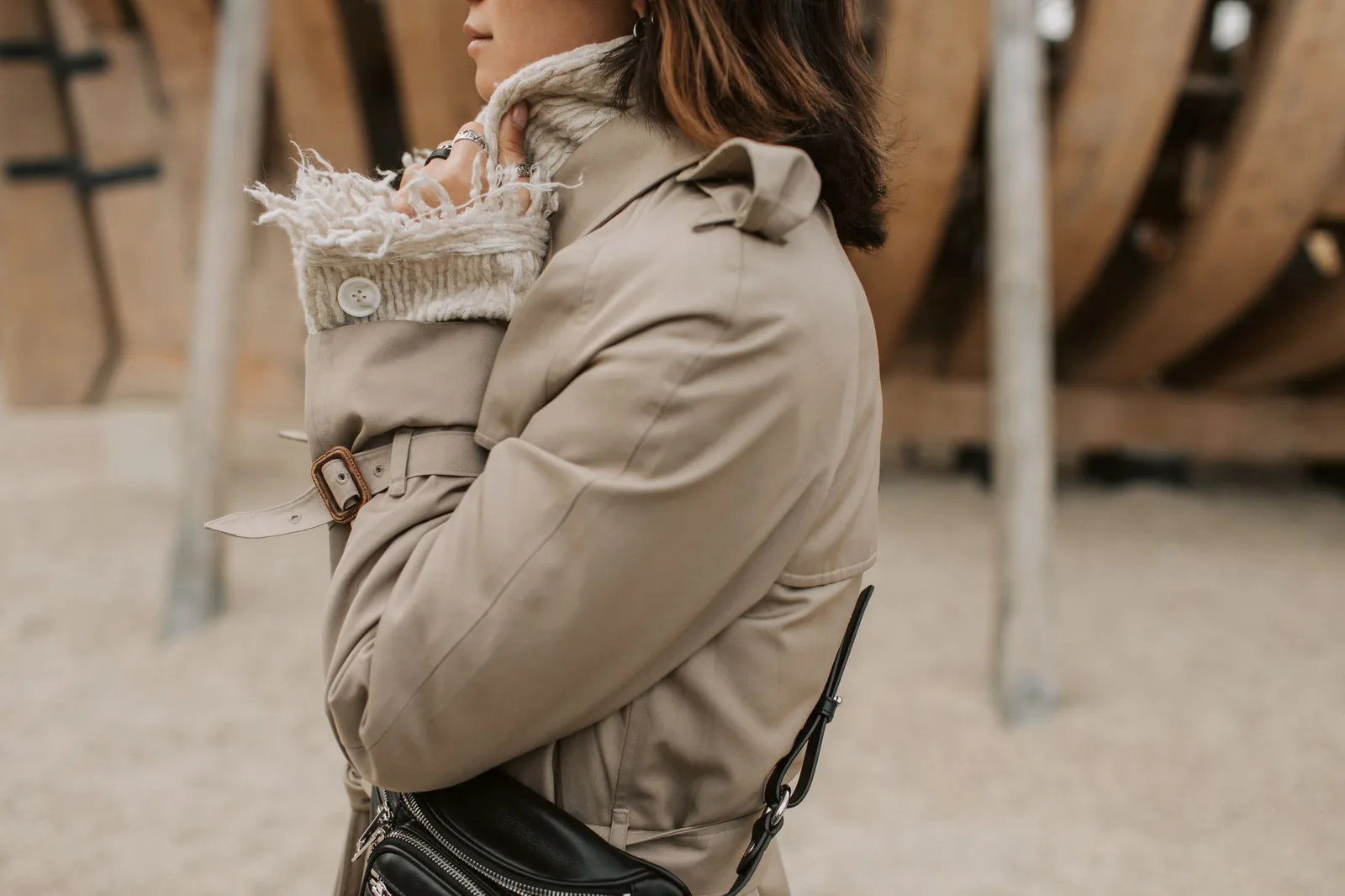
The dropped shoulder is the giveaway. On a regular-fit shirt in a size too large, the shoulder seam also ends up on your arm, but the sleeve was not designed for that position, so it hangs oddly and pulls when you move. On an oversized cut the sleeve was drafted expecting the seam to sit there.
If you look at one thing to tell a real oversized pattern from an upsized regular one, look at where the shoulder seam is meant to land and whether the sleeve looks intentional there.
Choosing between them
This is less about body type than most advice suggests, but proportion is real.
A regular fit tends to work better if:
- You want to layer the shirt under something fitted. Extra fabric under a jacket bunches at the waist and across the back.
- You are shorter through the torso. Added length has to go somewhere, and on a short torso it goes past the hips and shortens the leg line.
- You want to tuck it. Oversized cuts tuck badly — the extra width has nowhere to go.
An oversized fit tends to work better if:
- The shirt is the outfit rather than a layer.
- You are pairing it with a straight or tapered bottom, so there is a contrast in volume.
- You want the silhouette to be the point.
The failure mode for oversized is pairing it with an equally voluminous bottom. Wide top, wide leg, and you have removed every line that indicates a person is inside the clothes. One volume at a time, as a rule.
The between-sizes problem
If your chest measurement falls between two sizes, the answer depends on the garment.
For a tee worn on its own: take the smaller size if you want it to sit close, the larger if you want room. Neither is wrong. Check the length difference between the two sizes first — if it is more than an inch and a half, the larger one may end up longer than you want.
For a tee worn as a base layer: take the smaller size. Bulk under another garment is the thing you are trying to avoid.
For a hoodie or sweatshirt: take the larger size. Fleece has less give than jersey, and a hoodie that fits closely across the chest restricts movement in a way a tee does not. It also needs to accommodate whatever is underneath it.
For anything you will wash hot and tumble dry: take the larger size, and then consider changing how you wash it, because you are going to keep having this problem otherwise.
"Oversized" means different things by garment
The word travels across categories and changes meaning in each one, which is a common source of confusion when someone likes an oversized tee and assumes they will like an oversized everything.
Tees. Usually the widest interpretation. Squared-off body, dropped shoulder, sometimes a slightly shorter length to keep the proportion from going long. The most forgiving category to buy oversized.
Hoodies and sweatshirts. Already cut with room, so "oversized" on a hoodie is a step beyond what is already a relaxed garment. The risk is the shoulder seam dropping so far that the sleeve bunches at the elbow. Check the shoulder measurement specifically here.
Shirts and overshirts. Oversized generally means wider through the body with a longer hem, since these are meant to be worn open over something. Length matters more than width.
Jackets. Almost always means "sized to layer" rather than "large for its own sake." An oversized jacket that is not accommodating a mid layer usually just looks borrowed.
The practical takeaway: liking one oversized garment does not tell you much about whether you will like another one from a different category. Check the measurements each time.
Where fabric weight enters the decision
Heavier fabric holds its shape and stands away from the body slightly. Lighter fabric drapes and follows it. The same pattern in two weights produces noticeably different silhouettes.
An oversized cut in a heavy fabric reads structured. The same cut in a thin fabric reads slouchy, because the extra material collapses instead of holding its line. If you want the sculptural version of oversized, weight is part of getting there — which is its own subject.
A short decision procedure
- Measure a shirt you already like, flat, in four places.
- Find the size on the chart whose chest matches within an inch.
- Check the length on that size against your target. If it is more than an inch off, look at the size above or below and compare again.
- Check where the shoulder seam is supposed to sit.
- If you are between sizes, decide using the garment's job rather than a general rule.
Our tees list the full flat measurements for every size for exactly this reason. A letter tells you very little. Four numbers tell you almost everything.
If you order and the fit is not what you expected, the returns process covers exchanges. But measuring first will get it right the first time far more often than any amount of guessing at what a brand means by "large."