

"Buy less, buy better" is repeated often enough that it has stopped meaning very much. It is usually delivered as an ethical instruction, which makes it easy to dismiss as something for people with more money than constraints.
The more useful version is arithmetic. For a specific and fairly small set of garments, spending more per item costs less over time. For everything else, it does not, and pretending otherwise is how people end up with expensive clothes they rarely wear.
The calculation
Cost per wear is price divided by the number of times you actually wear something. It is crude, and it is still more informative than the price on the tag.
A shirt at $15 that survives eight months of weekly wear gets worn perhaps thirty-five times. That is roughly forty-three cents a wear.
A shirt at $35 that survives three years of the same use gets worn something like a hundred and fifty times. That is about twenty-three cents a wear.
The second shirt costs more than twice as much and is roughly half the price per use. That is the whole argument, and it holds up as long as two conditions are met: the more expensive garment actually lasts longer, and you actually wear it that often.
Both conditions fail regularly, which is why the advice needs qualifying.
Where it fails
Price does not reliably indicate durability. This is the big one. Above a fairly low threshold, the correlation between what a garment costs and how long it lasts gets weak. You are also paying for brand, retail markup, design, and marketing, none of which affect how the hem holds up. A $200 tee is not five times more durable than a $40 one, and often is not more durable at all.
You have to actually wear it. Cost per wear on a garment you wear four times a year is terrible regardless of quality. The upgrade only pays off on things in constant rotation.
Taste changes. A garment can outlast your interest in it. That is a real cost and it is not captured anywhere in the durability argument.
What actually predicts durability
If price is unreliable, what should you look at instead? These are things you can check in your hands or read off a product page.
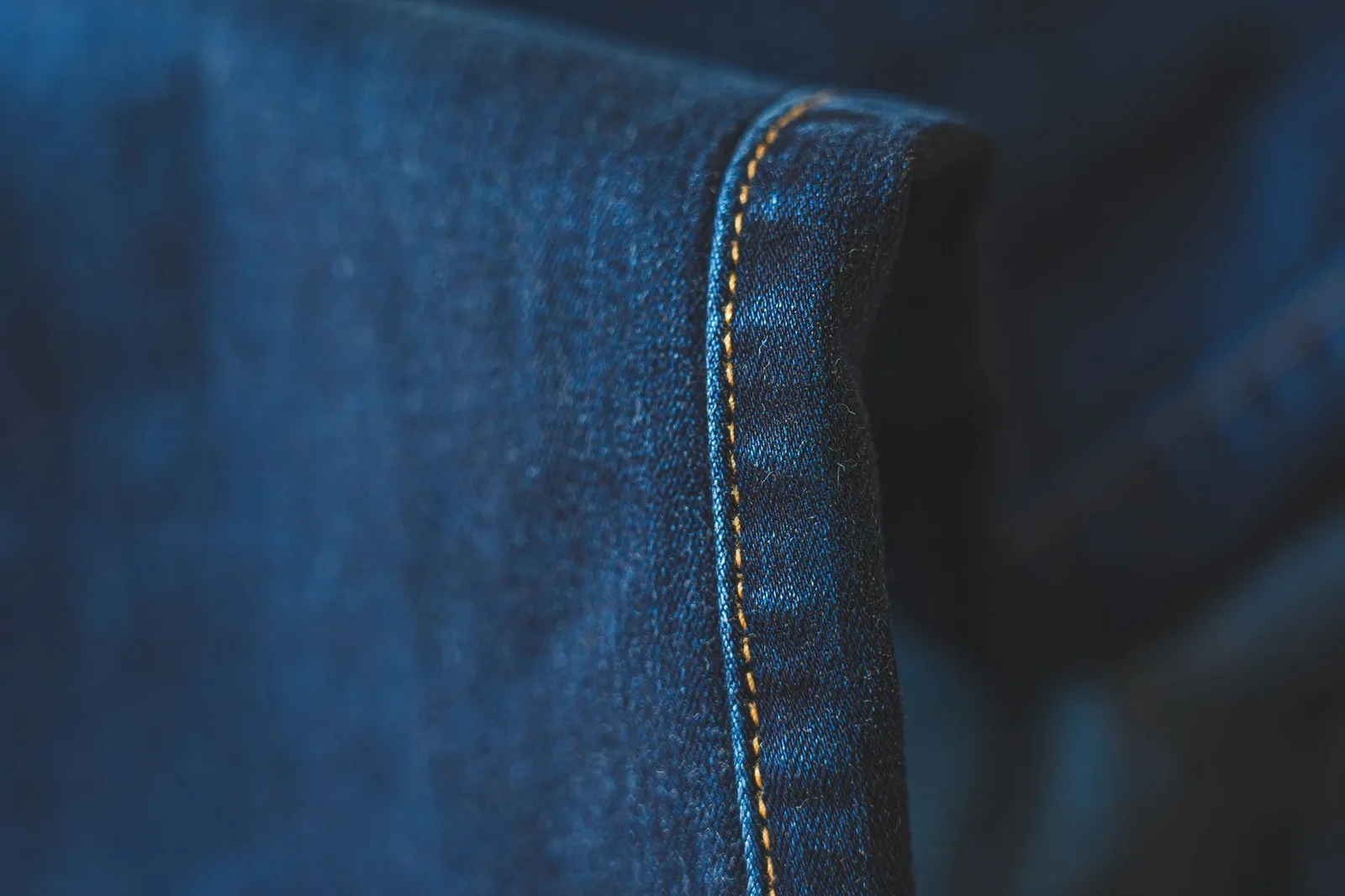
Seam construction. Double-needle stitching at hems and cuffs. Overlocked seams that are also topstitched rather than just serged. This is cheap to do and gets cut when a manufacturer is trimming cost, which makes it a good signal.
Shoulder taping. A strip of fabric reinforcing the shoulder seam across the back of a knit garment. Its absence is the single most common reason a T-shirt neckline goes slack and stays slack.
Neckline construction. Ribbed collars hold their shape better than self-fabric ones. The rib should feel dense rather than thin and stretchy.
Fiber content. 100% cotton or high-cotton blends age predictably. High-synthetic blends resist wrinkles and pill along friction points — underarms, where a bag strap sits, at the hem.
Yarn quality. Harder to assess without handling it, but ring-spun cotton is smoother and more durable than open-end cotton at the same weight. If a product page mentions it, that is a sign someone is paying attention.
Fabric weight in context. Heavier generally holds shape longer, but only within reason, and weight alone is a poor proxy for quality.
The garments worth upgrading
From a retailer's perspective, the pattern is fairly consistent: the pieces worth spending on are the ones that are worn constantly, take mechanical stress, and are visible when they degrade.
Worth it:
- The tee or two you reach for weekly.
- A hoodie or sweatshirt in regular rotation.
- Trousers you wear more than twice a week.
- Outerwear, which takes the most abuse and lasts the longest when made well.
- Shoes, for the same reason.
Usually not worth it:
- Anything strongly tied to a current trend.
- Occasion-specific pieces worn a few times a year.
- Base layers that live entirely under other clothes.
- Anything you are not sure you like yet.
That last category deserves more attention than it gets. Buying the cheap version first to find out whether you will actually wear something is a reasonable strategy, not a failure of commitment.
Fewer is doing work in that sentence
The half of "buy less, buy better" that gets ignored is the first half, and it is the half that makes the second half affordable.
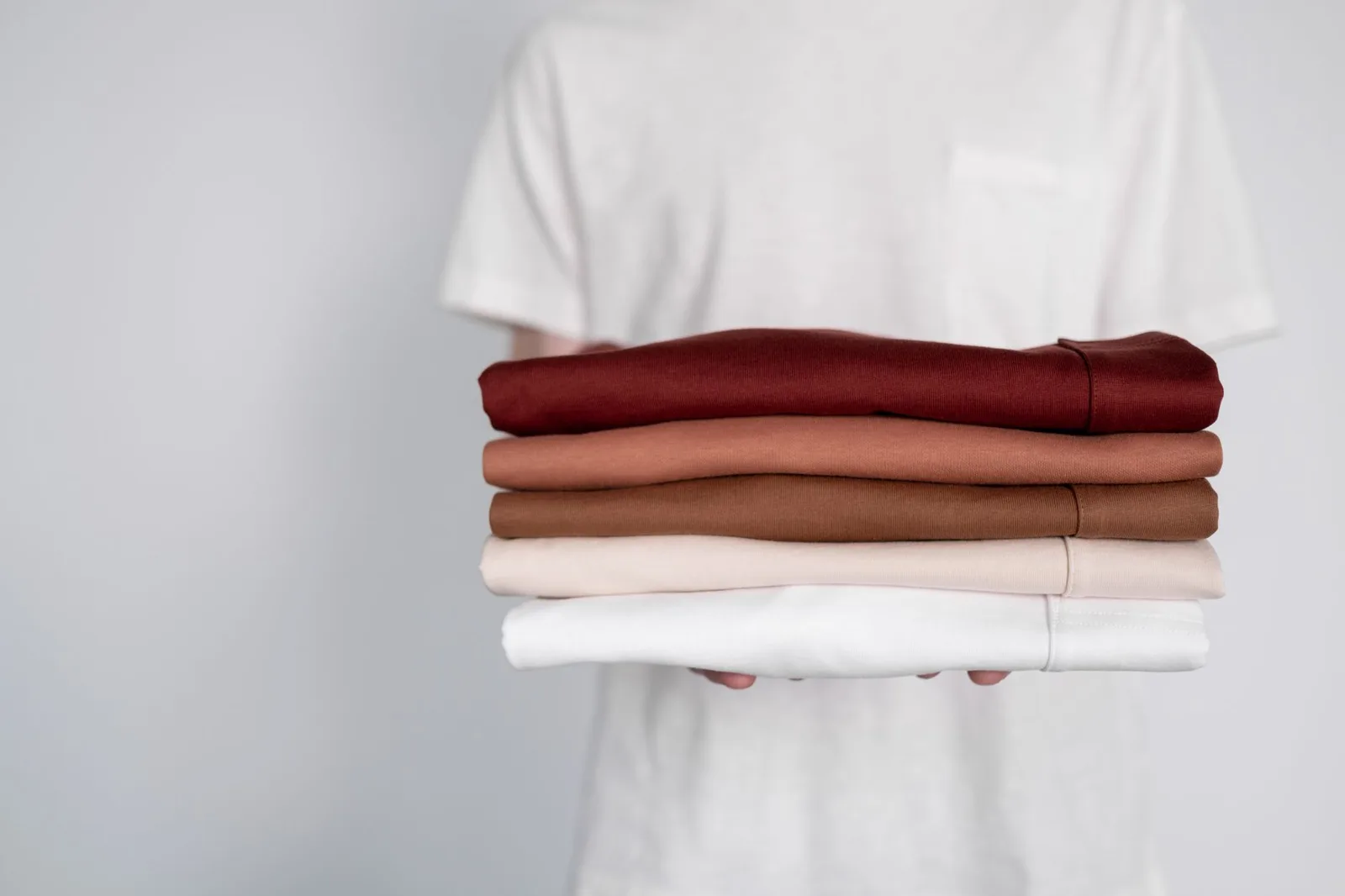
If you replace a rotation of ten mediocre tees with four good ones, the total spend is similar and the wardrobe is better. If you add four good tees to the ten you already own, you have spent more and improved nothing, because the good ones now come up in rotation once every fourteen washes.
Buying better only works as a substitution. As an addition it is just buying more.
Making it survive
None of this matters if the garment gets destroyed in the wash. The most common way a well-made piece fails early is heat — hot water and a hot dryer, repeatedly — which relaxes and abrades the fabric far faster than wearing it does. Getting the laundry right is not a small detail bolted onto the end of this argument. It is a precondition for it.
Small repairs matter too. A seam that has opened is fifteen minutes of work. A pilled surface can be shaved. Neither requires much skill, and both extend a garment's life by a season or more.
Audit before you upgrade
Before replacing anything, it is worth finding out what you actually wear, because almost everyone is wrong about this.
The simplest method: turn every hanger the same direction, and when you wear something, put it back facing the other way. After two months you can see at a glance what is in rotation and what is decoration. For folded items, keep worn pieces on the left of the stack and take from the right.
Two things usually surface. First, the rotation is smaller than expected — often a handful of items doing most of the work. Second, some of the items you would have described as favorites turn out to be things you own rather than things you wear.
That list of genuinely-worn pieces is your upgrade shortlist. It is a much better guide than intuition, and it stops you from spending on a category that felt important but is not.
While you are there, note why the untouched items are untouched. If it is fit, that is a lesson about measurements for next time. If it is that they do not go with anything, that is a lesson about palette. If it is that they need ironing, that is a lesson about your actual habits rather than your intended ones.
An honest summary
Buy fewer things. Concentrate the money on the handful of pieces you wear constantly. Judge those pieces by construction rather than by price. Wash them cold, dry them gently, and repair them when they need it.
Do that and the wardrobe gets cheaper over time. Skip the "fewer" part, or use price as your quality signal, and it does not.
If you want to see what those construction details look like in practice, the product pages list weight, fiber content, and seam construction, and there is more on how we make production decisions in why we run small batches.